
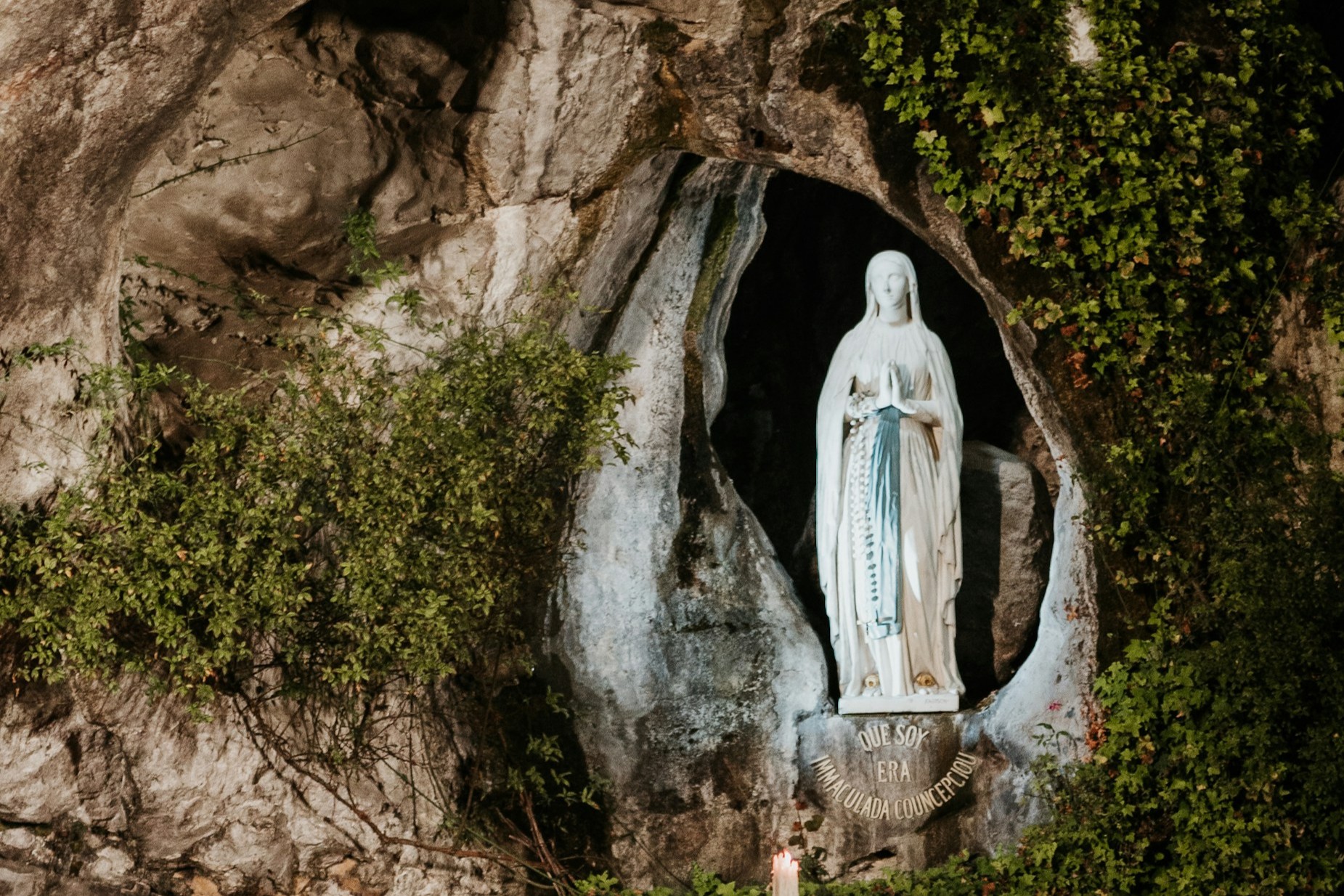
Marian Apparitions in Catholic Theology, Culture, and History: Doctrinal Foundations, Global Expressions, Inculturation, and Comparative Evaluation
Abstract
Marian apparitions have shaped Catholic spirituality, influenced cultural identities, and inspired major devotions worldwide. While deeply embedded in the life of the faithful, apparitions are classified as private revelations and therefore not part of the deposit of faith (Catechism of the Catholic Church [CCC], 1997, §67). This article provides a comprehensive examination of Catholic doctrine on apparitions, the Church’s evaluation process, major approved apparitions, saints’ experiences of Marian visions, the role of inculturation, and the unique expression of Marian devotion in the Philippines. It includes the perspectives of major Catholic theologians—including Ratzinger, Rahner, Laurentin, Balthasar, Congar, and de Montfort—integrated appropriately where their contributions illuminate the meaning and purpose of Marian apparitions. The article concludes with a comparison of approved and unapproved apparitions, highlighting the theological and pastoral criteria guiding Church discernment.
Introduction
Across Christian history, individuals from diverse cultures have reported encounters with the Virgin Mary. Some experiences become internationally recognized religious events, while others remain localized devotions. The Catholic Church, however, consistently distinguishes between “public revelation,” which concluded with the apostolic age, and “private revelation,” which includes all Marian apparitions (CCC, 1997, §66–67).
Theologians broadly agree that Marian apparitions do not extend doctrinal content but instead call the faithful toward deeper commitment to the Gospel. Ratzinger (2000) emphasized that private revelations “help us understand the signs of the times” but must always be measured against Scripture and the Apostolic Tradition. Karl Rahner (1966) argued that apparitions can be understood as “charismatic interventions,” illuminating the lived experience of grace but never altering revelation. René Laurentin, one of the most respected Marian scholars of the 20th century, described apparitions as “pedagogical”—Mary speaks in a way suited to a particular culture, moment, and need (Laurentin, 1990).
This article explores Marian apparitions through theological, historical, cultural, and anthropological perspectives. It incorporates classic Mariology (de Montfort, Scheeben, Liguori), modern theology (Ratzinger, Rahner, Balthasar, Congar), and global inculturation studies. It analyzes approved apparitions, evaluates contested ones such as Medjugorje, and presents a comprehensive study of Philippine Marian devotion as a cultural-theological synthesis.
I. Catholic Teaching on Revelation and Apparitions
1. Public Revelation: Completed in Christ
Catholic theology asserts that God’s definitive revelation culminated in Christ. Dei Verbum affirms:
“Jesus Christ… is the mediator and the fullness of all revelation.” (Vatican II, 1965, §2)
Public revelation, transmitted through Scripture and Apostolic Tradition, ended with the death of the last Apostle.
2. Private Revelation: The Category of Marian Apparitions
Private revelation includes visions, locutions, and apparitions occurring after the apostolic period. According to the Catechism:
Private revelations “do not belong to the deposit of faith” and their function is “not to improve or complete Christ’s definitive Revelation” (CCC, 1997, §67).
Theologians such as Ratzinger emphasize that private revelations must lead the faithful back to the Gospel, not forward to new doctrines (Ratzinger, 2000).
3. Theologians on Apparitions
- Karl Rahner: Apparitions are charismatic graces, not doctrinal events, and must be evaluated within the life of the Church (Rahner, 1966).
- Yves Congar: Apparitions must never overshadow Scripture or ecclesial authority (Congar, 1970).
- Hans Urs von Balthasar: Mary’s role in apparitions reflects her archetypal role as the Church’s mother and “first believer,” guiding the community of faith (Balthasar, 1988).
- René Laurentin: Apparitions communicate through symbols meaningful to the recipients—an example of divine accommodation (Laurentin, 1990).
- Louis-Marie de Montfort: Marian interventions aim to form souls in discipleship and lead them to deeper union with Christ (de Montfort, 1712/1996).
These theological perspectives affirm that Mary’s apparitions are always ecclesial, Christocentric, and pastoral.
II. The Church’s Evaluation of Apparitions
1. Normae Congregationis (1978)
The Vatican’s framework for evaluating apparitions includes:
Positive Indicators
- Doctrinal orthodoxy
- Psychological integrity
- Authentic spiritual fruits
- Absence of financial or ideological manipulation
Negative Indicators
- Doctrinal error
- Psychological pathology
- Moral misconduct
- Sensationalism or disobedience
2. Contemporary Magisterial Clarifications
The Dicastery for the Doctrine of the Faith (DDF) reiterated in 2024 that approval of apparitions is rare and that spiritual “fruits” alone do not prove supernatural origin.
Ratzinger (2000) stresses that discernment protects the faithful from error and keeps Christian life anchored in the Gospel.
III. Survey of Major Approved Marian Apparitions
1. Early and Medieval Apparitions
- Our Lady of the Pillar (40 AD)
- Our Lady of Walsingham (1061)
- Our Lady of Mount Carmel to St. Simon Stock (1251)
2. Early Modern Apparitions
- Guadalupe (1531)
- Laus (1664–1718)
- Siluva (1608)
- Good Success (1594–1634)
3. Major Modern Apparitions
- Miraculous Medal (1830)
- La Salette (1846)
- Lourdes (1858)
- Pontmain (1871)
- Knock (1879)
- Fatima (1917)
- Beauraing (1932–33)
- Banneux (1933)
4. Theological Interpretation
Laurentin (1990) suggests three theological functions of apparitions:
- Call to conversion
- Renew prayer
- Provide comfort in historical crises
Balthasar (1988) adds that Mary’s apparitions emphasize her maternal participation in Christ’s mission.
IV. Marian Apparitions Experienced by Saints
Saints frequently report Marian visions. Examples include:
- St. Dominic – Rosary tradition
- St. Bridget of Sweden – mystical revelations
- St. Catherine Labouré – Miraculous Medal
- St. Bernadette – Lourdes
- Sts. Francisco & Jacinta Marto – Fatima
- St. Simon Stock – Brown Scapular vision
- St. Padre Pio – repeated Marian appearances
Theologians like Rahner (1966) describe these as “personalized graces” oriented toward the individual’s sanctification.
V. Inculturation and Marian Apparitions
1. The Doctrine of Inculturation
John Paul II (1990) defined inculturation as the incarnation of the Gospel into diverse cultures. Marian apparitions often embody this process.
2. Guadalupe as the Model
Mary appeared in mestiza features, speaking Nahuatl, integrating:
- Indigenous symbols
- Christian theology
- Evangelizing mission
Guadalupe is widely considered the paradigmatic example of inculturation in global Catholicism (Poole, 1995).
3. Other Examples
- La Vang (Vietnam) – Mary in áo dài
- Aparecida (Brazil) – Afro-indigenous connections
- Kibeho (Rwanda) – African symbolism
- Akita (Japan) – Japanese Christian minority context
Laurentin (1990) argues that inculturation in apparitions reflects divine pedagogy.
VI. Philippine Marian Devotion: History, Anthropology, and Theology
1. Precolonial Roots
Filipinos venerated anitos—ancestral and nature spirits—often maternal. This facilitated the reception of Mary as “Ina” (Mother) (Jocano, 1973).
2. Spanish Evangelization and Marianization
Missionaries introduced Marian images that resonated with indigenous religiosity. Popular devotions include:
- Peñafrancia
- La Naval de Manila
- Manaoag
- Caysasay
- Antipolo
3. Lipa Apparitions (1948)
Apparitions to Teresita Castillo remain controversial. Multiple ecclesial rulings judged the events as non-supernatural, though devotion persists.
4. Inculturated Practices
- Flores de Mayo
- Santacruzan
- Barangay rosaries
These illustrate inculturation’s vibrancy in Filipino Catholicism.
VII. Apparitions as Cultural, Anthropological, and Theological Events
Apparitions often arise during:
- War (Fatima 1917)
- Epidemics (La Vang)
- Social upheaval (La Salette)
- Political oppression (Guadalupe)
Theologians like Schillebeeckx (1980) argue that such phenomena reflect how communities interpret divine presence amid suffering.
VIII. Approved vs. Unapproved Apparitions: A Comparative Analysis
1. Approved Apparitions
Characteristics include:
- Doctrinal harmony
- Clear spiritual fruits
- Cooperation with Church authority
2. Unapproved Apparitions
Include Garabandal, Amsterdam, and the negative judgments on Lipa.
Common issues:
- Doctrinal inconsistencies
- Sensational prophecy
- Disobedience to bishops
3. Medjugorje: A Contemporary Case
The Church acknowledges pastoral fruit but has not approved supernatural origin. Ratzinger (1991) warned against apparitions that generate division or doctrinal confusion.
IX. The Purpose of Marian Apparitions
Theologians converge that Marian apparitions aim to:
- Lead the faithful back to Christ
- Encourage repentance and deeper prayer
- Provide pastoral guidance in historical crises
- Strengthen devotion to the sacraments
- Support the Church in times of trial
As de Montfort (1712/1996) notes, Mary’s mission always echoes her words at Cana: “Do whatever he tells you.”
Conclusion
Marian apparitions, though not essential to the deposit of faith, hold profound significance in the spiritual, cultural, and theological life of the Church. Approved apparitions demonstrate harmony with doctrine, foster conversion, and promote devotion. Inculturation magnifies their missionary impact, allowing the Gospel to take root in diverse contexts—from Mexico to Rwanda, from France to the Philippines.
Theologians affirm that Mary’s apparitions never reveal new doctrines but call the world back to Christ with maternal urgency. Whether in Lourdes, Fatima, Guadalupe, or Bicol, the message remains consistent: prayer, repentance, peace, and fidelity to the Gospel.
References
Alvarez, M. (2008). Folk Catholicism in the Philippines. Ateneo de Manila University Press.
Balthasar, H. U. von. (1988). Theo-Drama: Theological Dramatic Theory. Ignatius Press.
Catechism of the Catholic Church. (1997). Vatican Publishing House.
Congar, Y. (1970). True and False Reform in the Church. Liturgical Press.
De Montfort, L.-M. (1996). True Devotion to Mary (F. L. Filas, Trans.). TAN Books. (Original work published 1712)
Dicastery for the Doctrine of the Faith. (2024). Norms for Proceeding in the Discernment of Alleged Supernatural Phenomena. Vatican Press.
Jocano, F. L. (1973). Philippine Folk Literature and Society. Ateneo University Press.
John Paul II. (1990). Redemptoris Missio. Vatican Publishing House.
Laurentin, R. (1990). Apparitions of the Virgin Mary: A Theological Inquiry. Ignatius Press.
Poole, S. (1995). Our Lady of Guadalupe: Mother of a New Creation. Orbis Books.
Rahner, K. (1966). Visions and Prophecies. Herder & Herder.
Ratzinger, J. (1991). On Medjugorje: Statements and Clarifications. Congregation for the Doctrine of the Faith.
Ratzinger, J. (2000). The Message of Fatima. Congregation for the Doctrine of the Faith.
Schillebeeckx, E. (1980). Christ: The Experience of Jesus as Lord. Crossroad.