
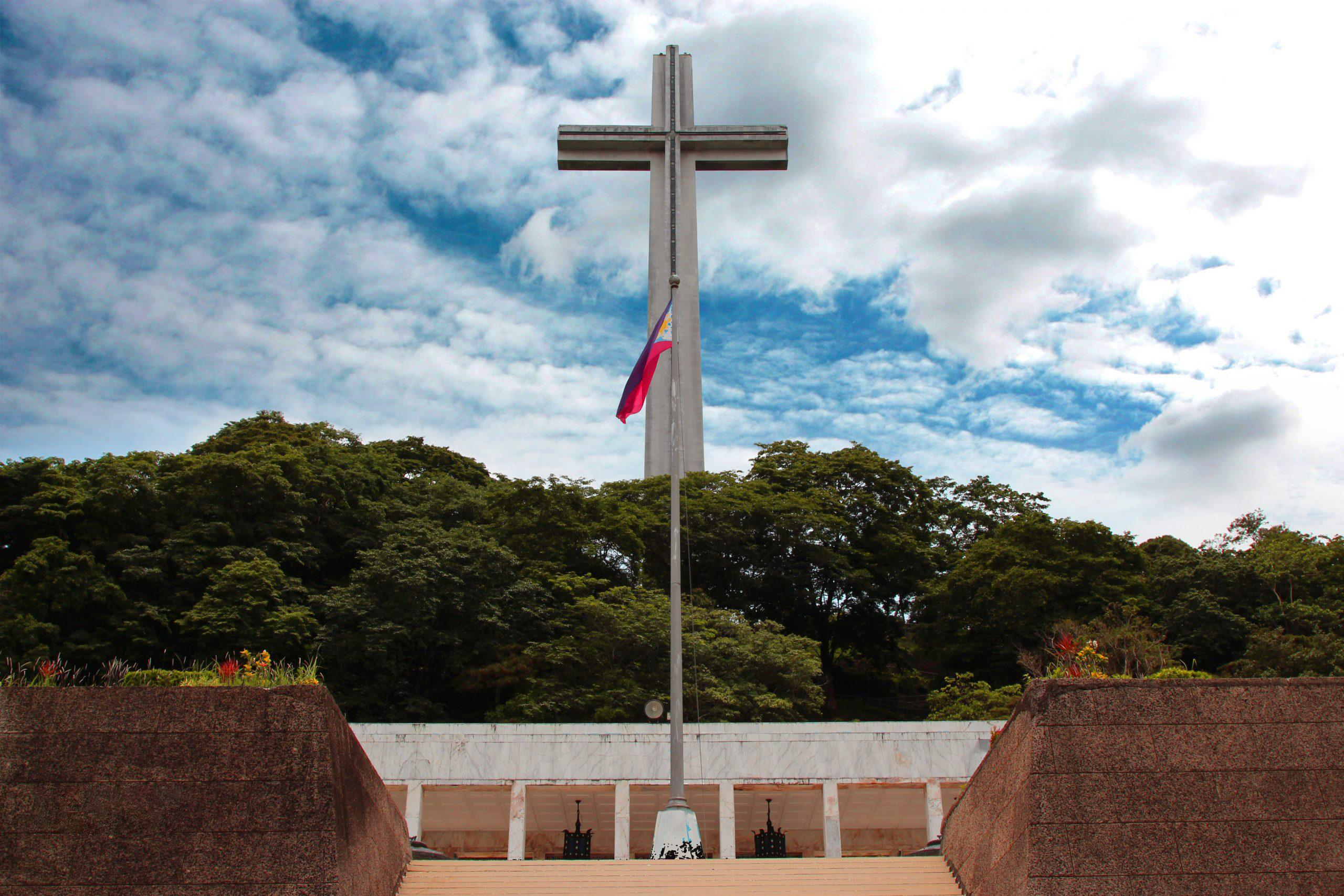
Araw ng Kagitingan: Valor Then, Responsibility Now
Every April 9, Filipinos observe Araw ng Kagitingan (Day of Valor) to honor the courage and sacrifice of the Filipino and American soldiers who defended the country during World War II. The commemoration recalls one of the darkest yet most inspiring chapters in Philippine history—the fall of Bataan and the suffering endured during the Bataan Death March. More than a historical remembrance, Araw ng Kagitingan serves as a powerful reminder of the values that helped sustain the nation during times of crisis: courage, sacrifice, resilience, and unity.
Today, however, the significance of Araw ng Kagitingan extends far beyond the battlefield. The heroism demonstrated by the defenders of Bataan challenges modern Filipinos to reflect on what patriotism means in the twenty-first century. While few citizens are called to defend the nation through armed conflict, everyone is called to contribute to national development through responsible citizenship, integrity, and service to the community.
The relevance of Araw ng Kagitingan is particularly evident in a time when the Philippines continues to face numerous challenges. Corruption, misinformation, poverty, environmental degradation, educational gaps, and political division threaten national progress. These problems may not resemble the dangers faced by soldiers in 1942, yet they require the same spirit of courage and commitment to overcome. The battle today is not fought with weapons but with honesty, critical thinking, social responsibility, and collective action.
One issue that deserves attention is the declining historical awareness among many young Filipinos. As the generation that experienced World War II gradually passes away, there is a growing risk that the lessons of the past may be forgotten. Historical distortion, misinformation, and the spread of inaccurate narratives on social media can weaken public understanding of the sacrifices made by previous generations. Without a strong appreciation of history, citizens may fail to recognize the importance of safeguarding democracy, freedom, and national sovereignty.
Another concern is the tendency to celebrate national holidays merely as opportunities for rest rather than occasions for reflection. While holidays provide valuable time for families and communities, their deeper meaning should not be overlooked. Araw ng Kagitingan should inspire meaningful discussions about national identity, civic responsibility, and the role of every Filipino in building a better society.
The observance also raises questions about how the nation treats its modern-day heroes. Soldiers, teachers, healthcare workers, disaster responders, farmers, and other public servants continue to make sacrifices for the common good. Honoring valor should involve not only remembering the heroes of the past but also supporting those who serve the country today. Genuine patriotism requires translating admiration into action by promoting policies and practices that uphold justice, dignity, and national welfare.
Ultimately, Araw ng Kagitingan reminds us that heroism is not confined to extraordinary moments in history. It can be found in everyday acts of integrity, perseverance, and service. The defenders of Bataan demonstrated that courage is not the absence of fear but the willingness to do what is right despite hardship. Their example remains relevant as Filipinos confront contemporary challenges that demand the same spirit of sacrifice and commitment.
As the nation commemorates Araw ng Kagitingan, Filipinos must remember that the greatest tribute to the heroes of the past is not merely the laying of wreaths or the recitation of speeches. It is the continuous effort to build a nation worthy of their sacrifice—a nation guided by truth, unity, responsibility, and an unwavering commitment to the common good.
References
Official Gazette of the Republic of the Philippines. (n.d.). Araw ng Kagitingan (Day of Valor). Official Gazette of the Republic of the Philippines. Official Gazette
Philippine Veterans Affairs Office. (n.d.). Araw ng Kagitingan and the Bataan Death March. Philippine Veterans Affairs Office
National Historical Commission of the Philippines. (n.d.). Historical significance of Araw ng Kagitingan. National Historical Commission of the Philippines
The Fall of the Philippines. (1990). Washington, DC: Center of Military History, United States Army. U.S. Army Center of Military History
Teodoro A. Agoncillo. (1990). History of the Filipino people (8th ed.). Garotech Publishing.
Renato Constantino. (1975). The Philippines: A past revisited. Tala Publishing Services.
The Bataan Death March. (2002). National Park Service. Retrieved from National Park Service Bataan Death March Resource